Start every trading day with a quick, actionable snapshot of global markets, key earnings, and the biggest movers across US, Europe, and Asia. Get the insight before your first coffee is gone.
February 17, 2026
iFX EXPO 2026: The Topics That Dominated the Floor
Alaric Securities
Yanko Hristov, Head of Business Development and Sales at Alaric Securities, on “Business Start,” Bloomberg TV Bulgaria
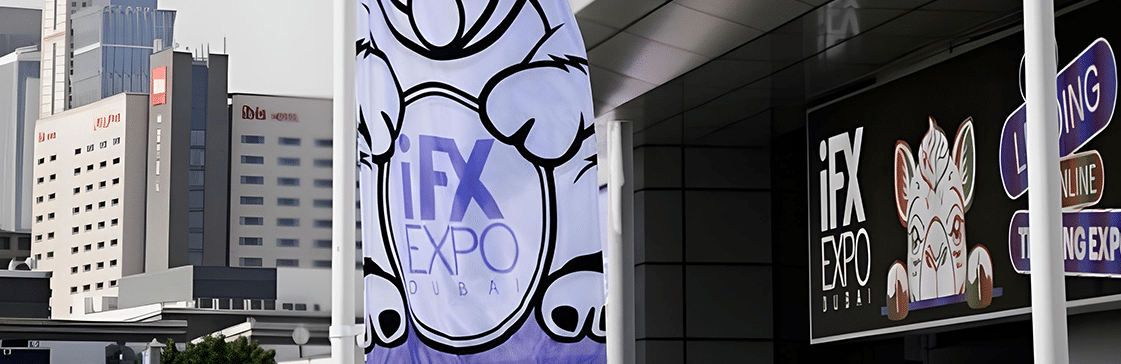
The annual iFX EXPO in Dubai once again served as a barometer for the global trading and fintech industry, bringing together brokers, fintech companies, and technology providers to take stock of the forces reshaping financial markets. This year’s edition was marked by a noticeable shift in sentiment — from the optimism of prior years toward a more cautious, reflective tone.
In a Bloomberg TV conversation on “Business Start,” Yanko Hristov, Head of Business Development and Sales at Alaric Securities, outlined the dominant themes that emerged from the expo floor and surrounding conversations.
Geopolitical risk takes center stage
While not the headline topic at the expo itself, the escalating tension between the US and Iran cast a long shadow over market discussions. Hristov pointed to a connection that he believes many analysts are overlooking: the simultaneous pressure on Venezuela and Iran — both major oil suppliers to China — may not be coincidental. With Iran controlling the Strait of Hormuz, a military escalation could push oil prices up by 7 to 10%, according to estimates from the analyst he cited. In that scenario, equities would likely suffer in the short term, bonds would appreciate, and investors would rotate into traditional safe havens — primarily gold, which Hristov sees as fundamentally stronger than silver in the current environment.
Crypto winter deepens as capital migrates to AI
One of the standout observations from this year’s expo was the significant outflow of venture capital from the crypto sector into artificial intelligence. Hristov noted that while crypto has traditionally been one of the star topics at the Dubai forum, the mood this time was decidedly grim. With Bitcoin declining sharply since the start of the year, many industry participants have shifted into defensive mode, focused on mitigating losses rather than chasing growth. The underlying dynamic is structural: funding that once fueled blockchain startups is now being redirected toward AI ventures, leaving many crypto companies struggling to secure capital for development.
The AI paradox: promise and peril
Perhaps the most thought-provoking thread of the conversation centered on artificial intelligence — not just as a technology trend, but as an economic and social force. Hristov laid out a nuanced picture. On one hand, the US and global economy are banking heavily on AI-driven productivity gains to sustain growth, especially given current debt levels. On the other, the energy infrastructure needed to power this transformation has not yet caught up, and many legacy corporations are sitting on outdated data architectures that cannot easily integrate with modern AI models.
He drew attention to the emerging “AI scare trade” on Wall Street — a shift in narrative from AI as opportunity to AI as threat. His view is that this tension will only intensify once large enterprises begin restructuring their systems to fully leverage AI, potentially displacing companies and workers that fail to adapt.
But the deeper concern Hristov raised goes beyond markets. He argued that AI is accelerating an unprecedented concentration of power in the hands of those with capital. The tech elite, he suggested, can afford the transition to AI far more easily than ordinary workers, and this dynamic — if left unchecked — makes some form of universal basic income appear inevitable in the medium to long term.
Dubai consolidates, Saudi Arabia signals ambition
On the ground in Dubai, the expo reinforced the city’s position as the undisputed financial hub of the Middle East. Hristov shared a striking data point: the share of the world’s top 100 hedge funds with a physical office in Dubai has grown from roughly 20% in late 2023 to an estimated 80% today — driven by zero taxation, strong expat packages, and a government that effectively runs the country like a business.
Yet competition is emerging. Saudi Arabia’s recent decision to open its capital markets to all individual and institutional investors signals a long-term ambition to challenge Dubai’s dominance. Hristov cautioned, however, that structural barriers remain — including misaligned trading weeks and the time required to build supporting infrastructure — and that any meaningful shift would take years to materialize.
The trading industry: incremental innovation in a mature market
From a pure industry perspective, the expo reflected a market in its mature phase. Rather than breakthrough products, companies showcased incremental improvements to platforms and trading technologies — small details that can make the difference in a fiercely competitive landscape. The integration of AI tools into trading workflows was a recurring theme, with firms across the board seeking an edge through smarter technology. Hristov noted that Alaric Securities itself is actively pursuing these enhancements.
Looking ahead
If iFX EXPO 2026 had an overarching message, it was one of transition. The crypto boom is fading as capital seeks new frontiers in AI. Geopolitical uncertainty is reshaping portfolio strategy. And the Middle East is undergoing a quiet but profound transformation in its capital markets infrastructure. For the trading industry, the challenge is clear: adapt quickly, or risk being left behind in a landscape that is evolving faster than ever.
Stay Ahead with Alaric Securities Newsletters
Traders and investors don't need more information - they need better information. That’s what we deliver!
Step back from the daily noise. Each issue explores market trends, industry shifts, trading opportunities, and exclusive updates — learn what's shaping the markets, not just what's trending online. Ready to get the edge?